



Is It Safe to Drive with Low Tire Pressure? The Critical Risks Explained
Every driver has experienced that brief moment of anxiety when a yellow horseshoe-shaped symbol illuminates on the dashboard. It is your Tire Pressure Monitoring System (TPMS) sounding the alarm. But just how urgent is that light? Many drivers in Burlington assume they can wait until the weekend or their next oil change to add a little air. However, the reality of automotive physics tells a much more dangerous story. Driving with underinflated tires isn’t just a minor maintenance oversight; it is a significant safety hazard that compromises your vehicle’s structural integrity and your ability to control it during a crisis.
At Modern Chevrolet, we believe that an informed driver is a safe driver. When your tire pressure drops below the manufacturer’s recommended levels, you are essentially driving on a foundation that is slowly collapsing. Whether you are commuting along I-40 or navigating the local streets of Burlington, knowing the ‘why’ behind tire safety is the first step toward preventing a roadside emergency. In this comprehensive guide, we will break down the mechanics of tire failure, the hidden costs of low PSI, and how the North Carolina climate plays a silent role in your tire health.
The Dangers of Underinflation: Blowouts and Control Issues
Understanding Your TPMS: What the Dashboard Light Is Telling You
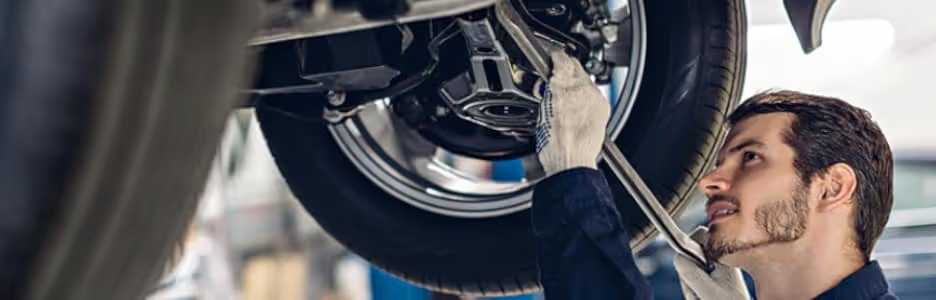
Professional Tire Inspection and Safety Check
Sometimes a low tire isn’t just about air—it’s about a hidden puncture, a failing valve stem, or a bent rim. Don’t leave your safety to chance. Our certified technicians can perform a comprehensive safety check to ensure your tires are structurally sound and perfectly balanced for the road ahead.
The Hidden Costs: Fuel Economy and Accelerated Wear
Anatomy of an Underinflated Tire
To understand the danger, you must look inside the tire. A tire is a complex composite of rubber, steel belts, and fabric plies. When air pressure is correct, the internal structure is held in its designed shape, allowing the steel belts to remain flat and the sidewalls to stay vertical. Underinflation causes the sidewalls to flex excessively with every rotation. This constant bending stresses the internal steel cords and generates internal heat that can reach over 200 degrees Fahrenheit. Over time, the internal layers begin to delaminate, making the tire structurally unsound even if you eventually add air back into it.
North Carolina Climate and Your Tires
Find the Perfect Set of Replacement Tires
If your tires have been driven underinflated for an extended period, they may have suffered internal damage that isn’t visible from the outside. If you notice vibration, bulging, or visible cords, it is time for a replacement. Our parts department at Modern Chevrolet of Burlington stocks a wide variety of Michelin, Bridgestone, and Goodyear tires specifically designed for your Chevy truck, SUV, or sedan.
Step-by-Step: How to Properly Check and Adjust Pressure
Where to Find Your Vehicle’s Recommended PSI

Emergency Protocol: What to Do if Your TPMS Light Comes On Mid-Drive
If you are driving and the TPMS light suddenly illuminates, do not panic. Follow these safety steps:
1. Grip the Steering Wheel: Keep a firm, two-handed grip on the wheel. If the tire is rapidly losing air, the vehicle may pull to one side.
2. Reduce Speed Gradually: Avoid slamming on the brakes, which can cause an unstable vehicle to skid. Ease off the accelerator.
3. Find a Safe Pull-Off: Look for a flat, level area far away from traffic. On the highway, try to reach an exit or a wide shoulder.
4. Visual Inspection: Once stopped, walk around the vehicle. If a tire looks visibly flat or ‘baggy,’ do not continue driving. Driving on a flat tire can ruin the wheel (rim) within hundreds of yards, turning a simple tire repair into an expensive multi-part replacement.
5. Roadside Assistance: If you aren’t comfortable changing to a spare, contact your roadside service provider.


Common Myths About Low Tire Pressure
Your Tire Safety Checklist
Keep this quick-reference list in mind to ensure your vehicle remains road-ready:
- Check tire pressure once a month and before any long road trip.
- Always inspect tires ‘cold’ for the most accurate PSI reading.
- Look for the PSI placard on the driver-side door jamb.
- Inspect tread depth using the ‘penny test’—if you can see all of Lincoln’s head, you need new tires.
- Rotate your tires every 5,000 to 7,500 miles to ensure even wear.
- Never ignore a flashing or steady TPMS light.
If you’re ready to upgrade to a vehicle with the latest safety technology, consider looking at our used cars or apply for financing at Modern Chevrolet of Burlington today.
Visit Modern Chevrolet in Burlington for Expert Tire Care
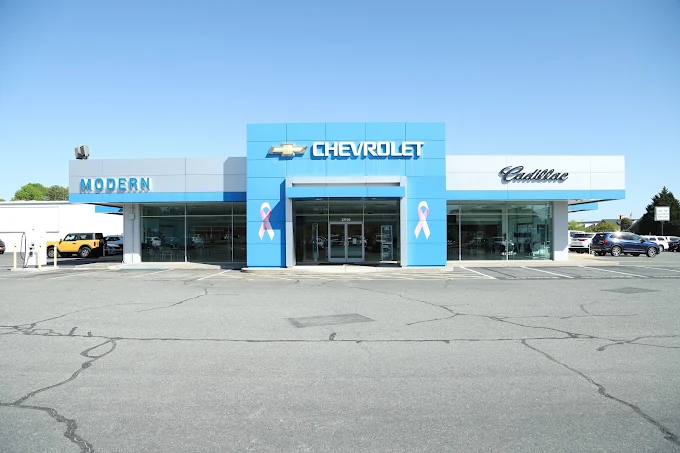
Don’t let low tire pressure compromise your safety or your vehicle’s performance. Whether you need a simple pressure check, a professional patch, or a brand-new set of tires, the team at Modern Chevrolet is here to help. We are conveniently located for drivers throughout Alamance County and the Greensboro area. Get Directions to Modern Chevrolet and stop by today to ensure your tires are in peak condition.
Questions? Our service advisors are standing by. Call us at (866) 602-6691.
0 comment(s) so far on Is It Safe to Drive with Low Tire Pressure? The Critical Risks Explained