
Understanding How Humidity Impacts Your Vehicle

May 27th, 2026 by

Living in Burlington means experiencing the full spectrum of Southern climate—from crisp, dry winters to the thick, palpable humidity of a Carolina summer. While we often focus on how the heat affects our comfort, we rarely consider the silent, invisible toll that high ambient moisture takes on our vehicles. Humidity isn’t just a weather metric; it’s a constant chemical catalyst that interacts with every square inch of your car, from the high-gloss clear coat to the sensitive internal sensors of a modern Chevrolet. At Modern Chevrolet, we’ve seen firsthand how the weather can accelerate wear and tear, often in ways that remain hidden until they become costly repairs.

Humidity acts as a bridge for environmental contaminants, allowing salt, dirt, and industrial pollutants to cling more aggressively to your vehicle’s surfaces. In Alamance County, where humidity levels often hover above 70%, the air itself becomes a delivery system for moisture that finds its way into tight crevices, electrical housings, and even your braking system. This guide is designed to help you understand the science of humidity, identify the warning signs of moisture damage, and learn how to protect your automotive investment. Whether you are driving a brand-new Silverado or a well-loved pre-owned Equinox, understanding these dynamics is essential for long-term vehicle health. If you have concerns about your car’s current state, you can always schedule your vehicle service at Modern Chevrolet of Burlington for a comprehensive inspection.

The Science of Moisture and Metal: Why Humidity Accelerates Corrosion

To understand how humidity affects your car, we must look at the process of oxidation. Rust is not just ‘dirt’ on metal; it is a chemical reaction where iron, oxygen, and water combine to form hydrated iron(III) oxide. In a dry environment, this process happens very slowly. However, high humidity provides the electrolyte necessary to complete the electrical circuit required for corrosion to occur at an accelerated rate. When the air is saturated with water vapor, a microscopic layer of moisture settles on the undercarriage, frame, and exhaust components, creating a perfect breeding ground for rust.

In Burlington, the problem is compounded by temperature fluctuations. As the air cools overnight, the humidity condenses into liquid water, which can sit in the seams of your vehicle’s body panels for hours after the sun comes up. This ‘wet-dry cycle’ is actually more damaging than constant wetness, as it repeatedly introduces fresh oxygen to the metal surface, fueling the oxidative fire. This is why you might notice your exhaust system or suspension components developing a reddish-brown patina much faster than vehicles in arid climates like Arizona or New Mexico.

Beyond the visible body panels, humidity targets the critical structural elements of your vehicle. The frame and subframe are often made of heavy-gauge steel that, while strong, is susceptible to surface corrosion if the protective coatings are compromised by road debris. High humidity ensures that any small chip in the paint or undercoating becomes an entry point for moisture. Once moisture gets under the coating, it can cause ‘spider-web’ corrosion that spreads unseen until the structural integrity of the component is threatened.

Your exhaust system is particularly vulnerable because it undergoes extreme temperature changes. When you turn off your car on a humid Burlington evening, the cooling metal of the exhaust pipes pulls in moisture-laden air. This condensation happens internally, leading to rust from the inside out. This is a primary reason why mufflers and resonators may fail prematurely in high-humidity regions. If you’re noticing new rattles or a louder exhaust note, it may be time to visit our parts department at Modern Chevrolet of Burlington for genuine replacement components that are built to withstand these local conditions.

Exterior Damage: Paint, Trim, and Seal Degradation

Clear Coat Compromise
Humidity traps pollutants like bird droppings, tree sap, and acid rain against your car’s finish. The moisture keeps these caustic substances in a liquid state for longer, allowing them to eat through the clear coat and cause permanent staining or ‘etching’ that a simple wash cannot fix.

Rubber and Vinyl Stress
High humidity can lead to the growth of mold and mildew on the rubber weatherstripping around your doors and windows. Over time, this biological growth breaks down the elasticity of the rubber, leading to brittle seals that allow water to leak into the cabin during North Carolina’s heavy spring rains.

Trim and Emblems
The adhesive used to hold emblems and decorative trim can be weakened by constant moisture exposure. Furthermore, chrome-plated plastics can begin to bubble or peel when moisture seeps behind the plating, a common sight on older vehicles that haven’t been regularly waxed or protected.

Brake System Vulnerabilities: The Role of Hygroscopic Fluid

One of the most critical but least discussed impacts of humidity is on your vehicle’s braking system. Most modern cars use glycol-based brake fluid, which is ‘hygroscopic.’ This is a fancy scientific term meaning the fluid is designed to actively absorb moisture from the atmosphere. While this seems counterintuitive, it is a safety feature: by absorbing small amounts of water, the fluid prevents that water from pooling and freezing in the lines or causing localized ‘slugs’ of rust.

However, in a high-humidity environment like Burlington, the brake fluid can absorb too much moisture too quickly. As the water content in your brake fluid increases, the boiling point of the fluid drops significantly. Under heavy braking—such as navigating a steep grade or sudden stops on I-40—the fluid can actually boil, creating air bubbles in the lines. Since air is compressible and liquid is not, this leads to ‘brake fade,’ where the pedal feels spongy and your stopping distance increases dangerously. Furthermore, the internal moisture can cause corrosion in the brake calipers and master cylinder, leading to expensive failures. Experts recommend a brake fluid flush every two years, but in North Carolina, we often suggest more frequent checks to ensure your safety.

Interior Issues: Mold, Mildew, and Cabin Air Quality

The interior of your car is an enclosed ecosystem, and when humidity rises, that ecosystem can become hostile. Have you ever entered your car after a rainy day and noticed a stale, musty odor? That is the smell of microbial volatile organic compounds (mVOCs) being released by mold and bacteria. High humidity levels inside the cabin provide the moisture needed for mold to flourish in the deep fibers of your carpets, the foam of your seats, and even the leather of your steering wheel.

This isn’t just a cosmetic or ‘smell’ issue; it’s a health concern. For passengers with allergies or asthma, a moldy car interior can trigger significant respiratory distress. Because modern cars are built to be airtight for better fuel efficiency and noise reduction, they can trap moisture very effectively. If you leave a damp umbrella or floor mats in the car on a humid day, the relative humidity inside can quickly reach 90%, turning your Chevrolet into a petri dish.

A male service advisor handing car keys to a female customer in a tire and auto service center.

The most common hiding place for these microbes is the HVAC evaporator core. As your air conditioner works to dehumidify the air, it pulls moisture out of the cabin. This water is supposed to drain out through a small tube under the car, but if that tube is clogged or if the moisture lingers on the cold evaporator fins, mold will grow there. When you turn on the fan, spores are blown directly into your face. Regular replacement of your cabin air filter is the first line of defense, but sometimes a professional ‘de-misting’ service is required to kill the colonies living in your vents.

Electrical Gremlins: Sensitivity of Modern Sensors to Moisture
Connector Corrosion
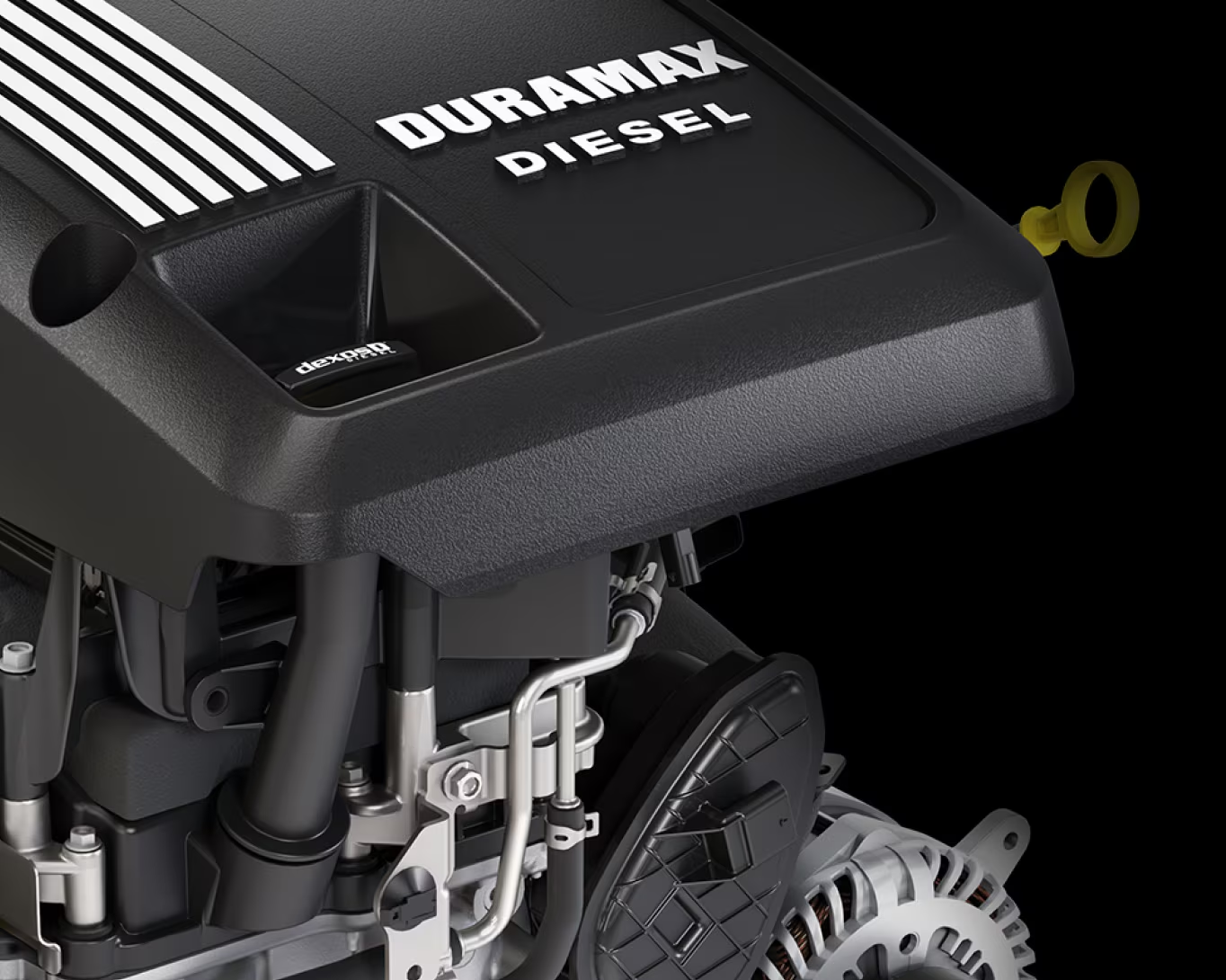
Modern Chevrolets are rolling computers. Every sensor and module communicates via low-voltage signals. Even a tiny amount of corrosion on an electrical connector, caused by high ambient humidity, can increase resistance. This results in ‘phantom’ warning lights or intermittent failures that can be incredibly frustrating to diagnose.

Static and Shorting
While dry air causes static, extremely humid air can actually allow for ‘tracking’ across dirty surfaces. If moisture combines with road dust on a circuit board or terminal, it can create a high-resistance short circuit. This is especially problematic for ignition systems and engine control units (ECUs) located in the engine bay.

Sensor Malfunctions
Oxygen sensors and Mass Air Flow (MAF) sensors rely on precise readings. Humidity changes the air’s conductivity and density, and if the sensors are already slightly fouled by moisture-trapped dust, they may send incorrect data to the engine computer, leading to poor idling or reduced fuel economy.

Engine Efficiency and Air Density

You might notice that your car feels a bit ‘sluggish’ on a very humid Burlington afternoon. This isn’t just your imagination; it’s physics. Humid air is actually less dense than dry air. This is because water vapor molecules (H2O) are lighter than the nitrogen (N2) and oxygen (O2) molecules they displace. When your engine pulls in air for combustion, it’s getting less oxygen per cubic foot when the humidity is high.

Modern fuel-injected engines are excellent at compensating for this by adjusting the air-fuel ratio, but there is an upper limit to their efficiency. Reduced oxygen means a slightly less powerful combustion stroke, which can lead to a noticeable drop in horsepower and a slight decrease in fuel economy. Over time, high humidity also affects the cooling system’s efficiency, as moist air is less effective at pulling heat away from the radiator than dry air. If your engine is running hotter than usual, it may be struggling with the local humidity levels. You can check out our new vehicles to see how the latest Chevy engines use advanced turbocharging to mitigate these atmospheric effects.

The HVAC Strain: How Your AC Fights Humidity

Your vehicle’s air conditioning system is more than just a cooler; it is a dedicated dehumidifier. As the AC compressor runs, it circulates refrigerant to the evaporator core. When warm, humid cabin air is blown across these cold fins, the moisture in the air condenses into water droplets, which then drip into a collection pan and drain out onto the pavement. This process is what keeps you feeling dry and comfortable, even when it’s muggy outside.

However, in North Carolina, your AC system has to work significantly harder than it would in a drier climate. This constant operation puts extra load on the engine and increases wear on the AC compressor, the blower motor, and the cooling fans. If your AC takes a long time to ‘de-fog’ your windows in the morning, it’s a sign that the system is losing its efficiency and may be low on refrigerant or dealing with a dirty evaporator.

One common humidity-related failure we see at Modern Chevrolet is a clogged evaporator drain line. In Burlington, pollen, dust, and small debris can find their way into the HVAC housing. When this debris mixes with the condensation produced by the AC, it forms a thick sludge that can block the drain tube.

When the water has nowhere to go, it backs up into the HVAC box and eventually spills over into the passenger footwell, soaking your carpet. This creates a permanent moisture reservoir that will smell terrible and eventually rot the floorboards. Regular maintenance of the HVAC system, including checking the drain lines and ensuring the compressor is cycling correctly, is vital for surviving a Burlington summer. If you need help, call us at (866) 602-6691 to talk to a service advisor.

Protecting Your Investment: Essential Maintenance Tips

Regular Waxing
A high-quality wax or ceramic coating provides a hydrophobic barrier that forces moisture to bead off the paint rather than sitting on it. This prevents pollutants from being trapped against the finish and reduces the risk of oxidation.

Interior Dehumidifiers
If you park your car outside, consider using silica gel packets or a small rechargeable dehumidifier bag under the seat. These can help pull excess moisture out of the cabin air overnight, preventing mold growth and musty smells.

Frequent Filter Changes
Change your cabin air filter every 12,000 miles or sooner if you notice odors. A clean filter allows for better airflow, which helps the AC system dehumidify the cabin more efficiently and prevents moisture buildup in the vents.

Local Climate Challenges for NC Drivers

Burlington sits in a unique geographic position that contributes to its humidity cycles. We are far enough inland to avoid the direct salt spray of the coast, but we are positioned in a way that allows moist air from the Gulf of Mexico and the Atlantic to settle over the Piedmont. During the spring and summer, we often experience ‘tropical’ dew points that make the air feel heavy. For a car, this means that for several months of the year, it is essentially sitting in a low-grade steam room.

At Modern Chevrolet, we recommend a proactive maintenance schedule that accounts for these local conditions. This includes more frequent checks of the undercarriage for rust spots, ensuring that your sunroof drains are clear of debris (which can cause leaks in high humidity), and testing your battery health more often. We understand the specific challenges Burlington drivers face because we live and work here too. If you are looking for a vehicle that can stand up to the NC elements, check out our used cars, many of which come with our SmartBuy protection to give you peace of mind against the elements.

Battery Life and High Humidity
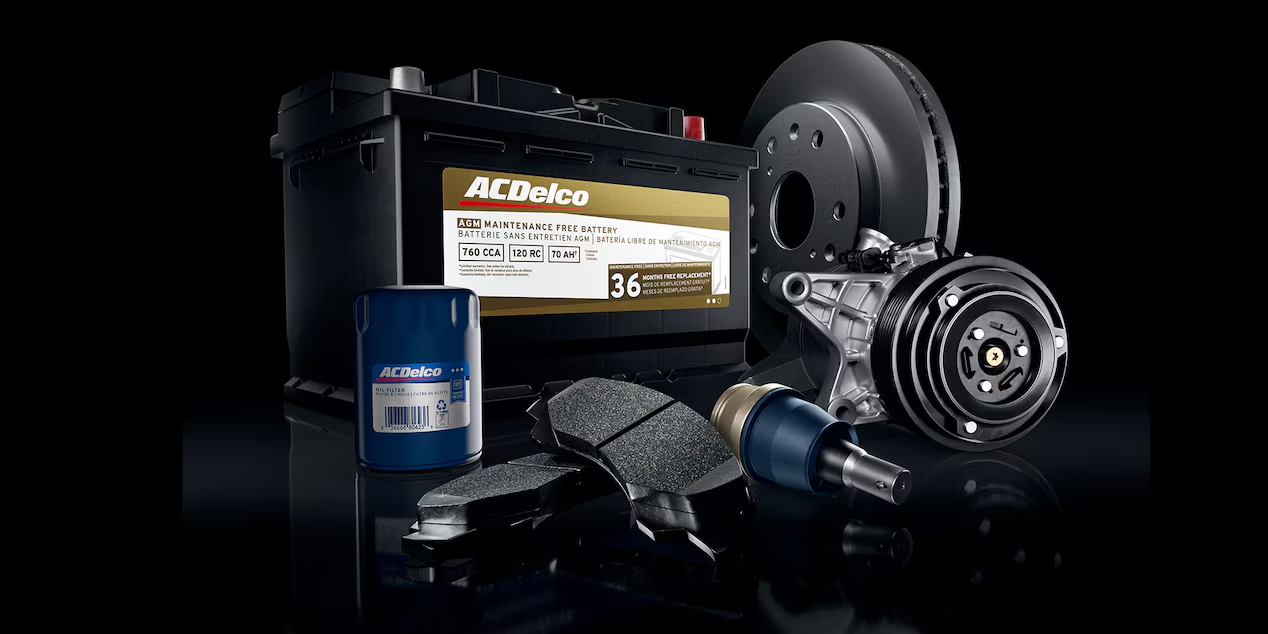
Most people think of car batteries failing in the dead of winter, but in North Carolina, it is the combination of summer heat and high humidity that truly kills them. Humidity promotes the buildup of corrosion (that white, crusty powder) on the battery terminals. This corrosion acts as an insulator, preventing the alternator from fully charging the battery and making it harder for the battery to deliver power to the starter.

Furthermore, the moisture in the air can facilitate a ‘parasitic drain.’ If the top of your battery is covered in a film of moist dirt and grime, that film can actually conduct a small amount of electricity between the positive and negative posts. Over time, this slow drain can weaken the battery, leading to a ‘no-start’ condition on a Monday morning.

To prevent this, we recommend keeping your battery terminals clean and applying a protective spray or terminal grease. During our multi-point inspections at Modern Chevrolet, we always test your battery’s cranking amps and check for signs of terminal oxidation. If your battery is more than three years old, the Burlington humidity has likely already begun to take its toll.

Tire and Rubber Component Longevity

Sidewall Rot
While UV rays are the primary cause of dry rot, humidity plays a supporting role. Moisture can penetrate small cracks in the tire sidewall, reaching the internal steel belts. Once the metal inside the tire begins to corrode, the structure of the tire is compromised, leading to a higher risk of blowouts.

Belt and Hose Elasticity
Your engine’s serpentine belt and cooling hoses are made of rubber compounds designed to be flexible. Constant exposure to high-humidity environments can cause these components to lose their ‘plasticizers’ faster, making them gummy or overly soft, which leads to slipping or bursting under pressure.

Suspension Bushings
Rubber bushings keep your ride smooth and quiet. In humid climates, these bushings can trap moisture against the metal control arms, leading to ‘squeaking’ and accelerated wear. Keeping these areas clean and occasionally lubricated can extend their life significantly.

When to Seek Professional Service

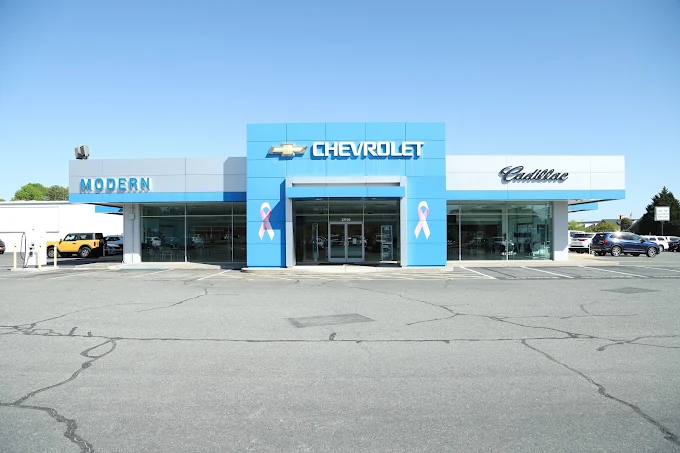
Front view of Modern Chevrolet Cadillac dealership building under a clear blue sky.

How do you know if the humidity has already caused damage? There are several ‘red flag’ symptoms that Burlington drivers should look out for. If you notice your windows are fogging up on the inside even when it’s not raining, you likely have a moisture leak or a clogged HVAC drain. If your brakes feel ‘mushy’ or ‘spongy,’ your brake fluid is likely contaminated with water. If you see a ‘check engine’ light that comes and goes depending on the weather, you probably have a humidity-related electrical connection issue.

Don’t wait for a total breakdown. Small issues caused by moisture can snowball into expensive repairs if left unaddressed. Our team of certified technicians at Modern Chevrolet is trained to spot the early signs of corrosion and moisture intrusion. We use specialized diagnostic tools to check the health of your sensors and the water content of your fluids. If you’re experiencing any of these issues, schedule your vehicle service at Modern Chevrolet of Burlington today for a comprehensive humidity health check.

Trading In? How Humidity Damage Affects Your Car's Value

When it comes time to move into a new vehicle, the condition of your current car determines its trade-in value. Unfortunately, humidity-related issues are some of the first things appraisers look for. A musty interior smell can decrease a car’s value by hundreds, if not thousands, of dollars, as it often requires deep steam cleaning or even carpet replacement to fix. Visible rust on the door bottoms or wheel wells is another major ‘value killer.’

At Modern Chevrolet, we want to give you the best possible price for your vehicle. By staying ahead of humidity damage—keeping the car waxed, the interior dry, and the fluids fresh—you are directly protecting your future trade-in equity. If you are curious about what your car is worth in its current condition, you can trade-in your vehicle at Modern Chevrolet of Burlington using our online valuation tool.

Beyond just the valuation, having a full record of services like brake fluid flushes and HVAC cleanings shows a potential buyer or dealership that the car has been meticulously maintained. This ‘Confidence Standard’ is what we look for in our SmartBuy Pre-Owned vehicles. If you’re ready to upgrade to something new, you can also apply for financing at Modern Chevrolet of Burlington to see how your trade-in value fits into your next purchase plan.

Modern Chevrolet’s Humidity Defense Checklist

Monthly DIY Tasks
• Inspect door seals for mold
• Wash and dry undercarriage
• Clean battery terminals
• Check for interior dampness

Seasonal Professional Care
• Wax or ceramic coating application
• Cabin air filter replacement
• HVAC drain line clearing
• Brake fluid moisture test

Long-term Maintenance
• Full brake fluid flush (2 years)
• Coolant system pressure test
• Electrical connector inspection
• Tire sidewall inspection

Schedule Your Humidity Health Check at Modern Chevrolet

Don’t let the North Carolina humidity shorten the life of your vehicle. At Modern Chevrolet of Burlington, we are dedicated to helping you experience the ‘Modern Difference’ through expert care and transparent service. Whether you need a simple fluid check or a comprehensive rust-prevention plan, our team is here to help. We are conveniently located at 2616 Alamance Rd, Burlington, NC 27215.

Protect your car, your safety, and your resale value by staying ahead of the moisture. Contact us today to schedule an appointment or visit our parts department for the supplies you need to keep your Chevy running strong.

Posted in Chevrolet Service